How to bid on city and county contracts
Where cities and counties post their bids, how to get on their vendor lists, the difference between a quote and a sealed bid, and what happens at the bid opening.
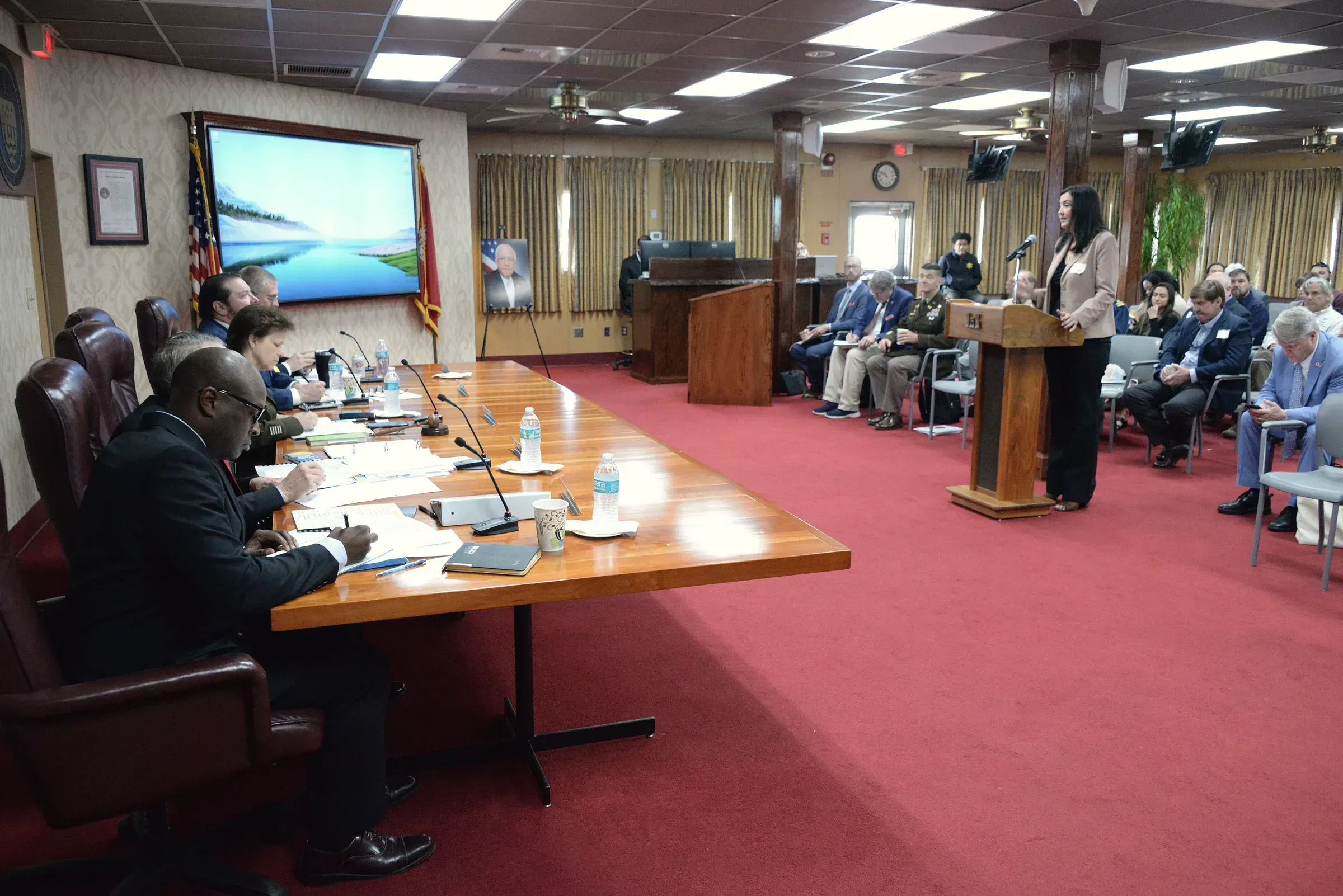
A city or county bid looks intimidating the first time: a notice full of legal language, a deadline to the minute, forms you've never seen. Underneath, almost every agency follows the same steps. After you've been through them once, the next bid goes much faster.
Where cities and counties post bids
There is no single list. Each agency decides where to advertise, and most use more than one place.
- The agency's own website. Look for a page called Bids, Bid Opportunities, Purchasing, Procurement or Legal Notices. Small towns and special districts often post only here.
- The local newspaper. Many states require a legal notice in print. Texas, for example, requires a city to publish the notice once a week for two weeks in a row, with the first one at least 14 days before the bids are opened, or to post it at city hall if no newspaper is published there (Tex. Local Gov't Code 252.041).
- An e-bidding portal. Larger agencies often post and take bids through an online system. You register once and download the documents there.
- The state's procurement site. Some states publish local bids alongside state bids. Coverage varies a lot.
The practical answer is to make a list of the agencies you want to work for and write down where each one posts. Check those pages on a schedule, or have something check them for you.
Get on the vendor list
Most agencies keep a list of registered vendors by category, and buyers use it when they need quotes. Registration is usually free. Fill it in completely, pick every category that matches your work, and keep your insurance and tax forms current. A buyer can't ask a vendor they can't find.
Quotes, sealed bids and proposals
How an agency buys depends mostly on the size of the purchase.
Informal quotes cover small purchases. A department calls or emails a few vendors, takes the best price and issues a purchase order. There is no public notice.
Sealed bids, often called an Invitation for Bid or Invitation to Bid, are for work the agency can describe completely, like a roof replacement or a mowing contract. Everyone prices the same scope. The contract usually goes to the lowest bidder who is both responsive (the bid follows the instructions and includes every required form) and responsible (the company can do the work). Gwinnett County, Georgia put it in exactly those words in its 2026 pressure washing bid: award goes to "the lowest responsive and responsible bid" (Gwinnett County ITB BL070-26).
Requests for proposals are for work where the approach matters as much as the price, like consulting, software or design. A committee scores each proposal on stated criteria, and price is one factor among several.
Requests for qualifications are common for architects and engineers. The agency picks the most qualified firm first and negotiates the fee after.
The steps of a sealed bid
1. The notice posts. It names the work, the due date and time, where to get the documents and whether there is a pre-bid meeting.
2. You get the documents. Download them or pick them up. Some agencies only send addenda to people who registered for the documents, so register even if a friend sent you the PDF.
3. The pre-bid meeting. Often optional, sometimes mandatory. If it's mandatory and you miss it, your bid won't be considered.
4. Questions and addenda. There is a deadline for written questions. The answers come out as numbered addenda, which can change quantities, dates or the scope. You usually have to acknowledge every addendum on the bid form.
5. You submit. Some agencies take bids online; others still want a sealed envelope delivered by hand or mail, marked with the bid number. Gwinnett's notice says bids received after the deadline "will not be accepted," which is typical. Late bids are returned unopened.
6. The bid opening. Bids are opened in public at the stated time and the prices are read aloud, in person or on a call. You can attend and hear every competitor's price.
7. Award. Staff check the low bid for completeness and references, then recommend it. Larger contracts are approved by a vote of the council or commission, often a few weeks after the opening.
8. Contract, bonds and insurance. You sign the contract and provide certificates of insurance and any bonds the bid required. Then the agency issues a notice to proceed or a purchase order.
What gets bids thrown out
Most rejected bids have small, avoidable problems:
- A missing signature, or an addendum not acknowledged
- A bid bond missing or for the wrong amount (see what a bid bond is)
- The wrong form, or a price written in the wrong place
- A missed mandatory pre-bid meeting
- Arriving late, even by a minute
Make a checklist of every item the bid asks you to return and tick it off before you seal the envelope. How to read a bid package walks through what to look for in the order to read it.
After the opening
Ask for the bid tabulation if it isn't posted. It lists every bidder and every price. Even when you lose, it shows you where your price landed and who you're up against. Our guide to finding bid results covers where to look.
Keeping up with all of it
One city is manageable. Ten cities, three counties and a dozen school and utility districts is a part-time job, and the small agencies that only post on their own website are the easiest to miss. Capveon checks every agency in your area each day and sends you the bids that fit your work, with the due date, the bond and the pre-bid meeting pulled out of each package. Enter your website to see this week's list for your business.