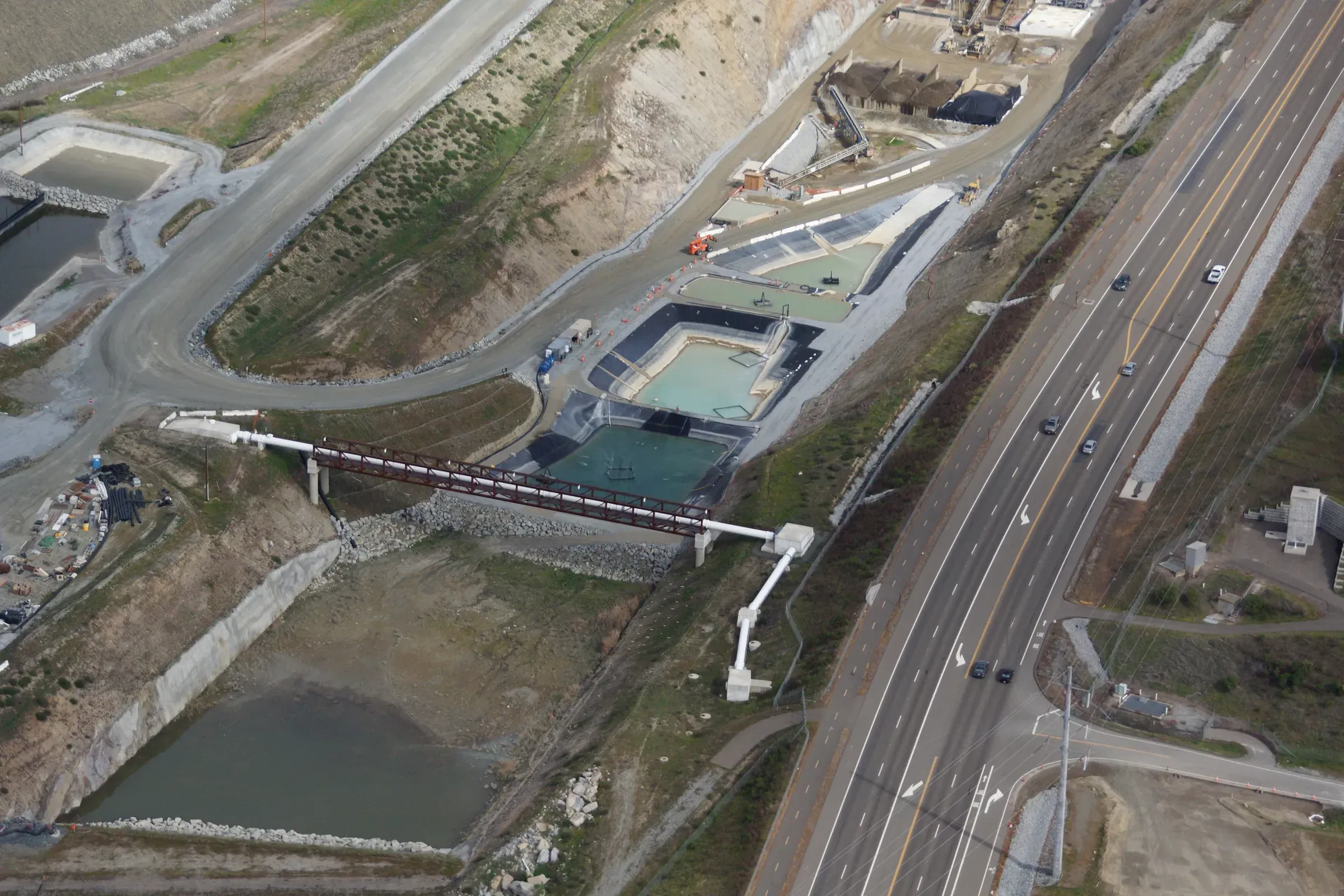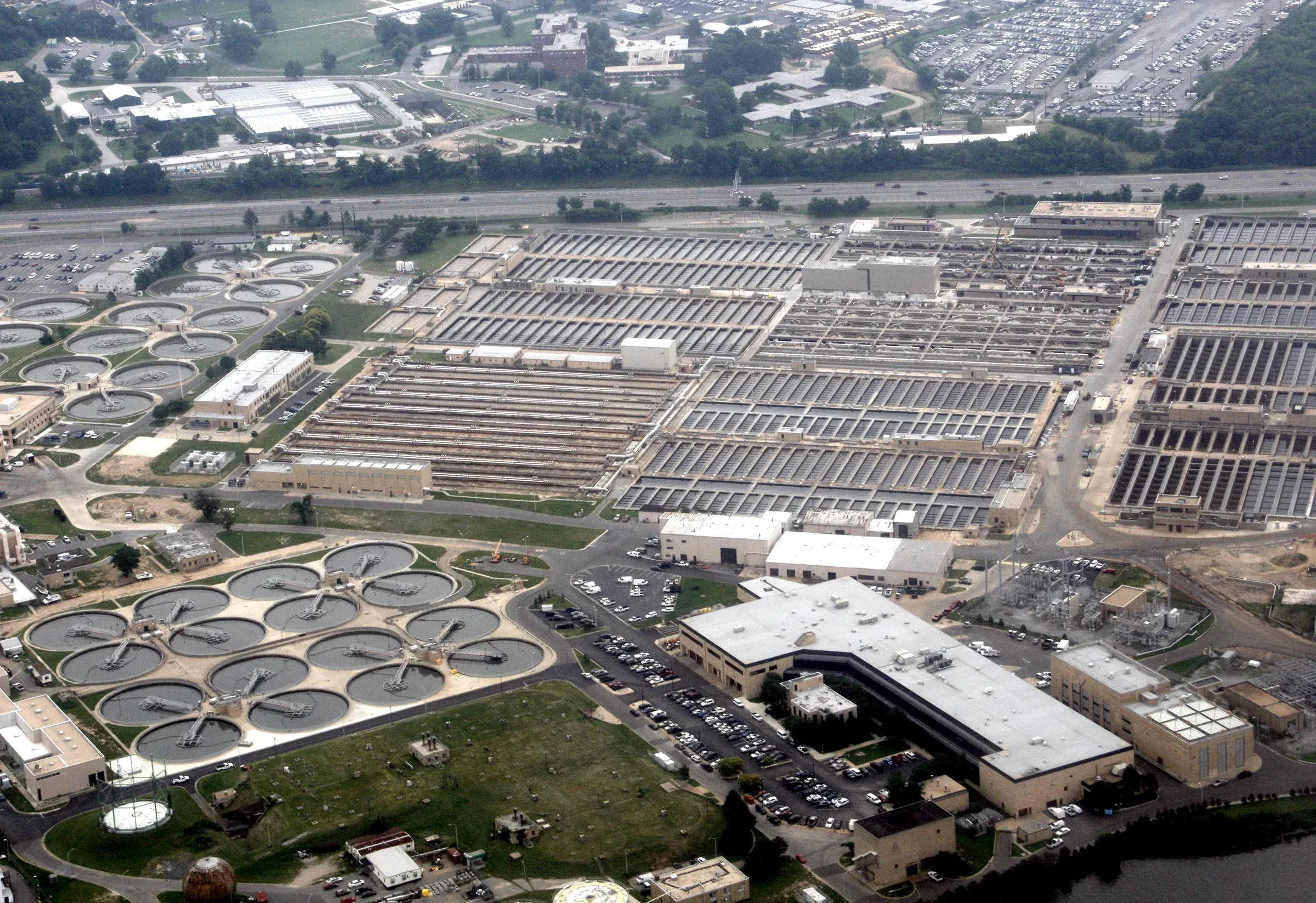
Turning Infrastructure Demand into Action.

Capveon finds public-infrastructure work while it is still forming — so manufacturers can get written into the spec, and government contractors can win the bid.

Built on the public record
SAM.gov
USAspending
Grants.gov
Federal Register
State and local portals

Capveon reads budgets, board minutes, and capital plans across every level of government. Public-infrastructure work, cited, while it is still forming.

Two doors. Same public spine.

Need, funding, design, spec, bid, award. Contractors and manufacturers live in different windows of the same job.

One platform, first signal to final award.

Platform overview

Who are the likely competitors, and how contestable is this?

Atlantic Utility Constructors is the primary threat. Contestability scores 62: sticky relationships, but schedule and bypass-cost openings remain.

Recommended price-to-win is $13.46M inside a $12.91M to $14.18M Florida utility band from 22 comparable awards.

Competitor landscapeTampa lift station rehabilitation
#1Atlantic Utility ConstructorsDense Tampa Bay footprint, lift-station packagesHigh threat
#2Suncoast MechanicalAbove-median bypass costs leave roomMedium
#3Meridian Water WorksWeb-only national, no local yardLow

One pursuit, carried end to end.

Pre-RFP pipeline7 forming · runway to RFP
Lift station rehabilitation programCity of Tampa~14 mo
Reclaimed water main extensionHillsborough County~11 mo
WWTP capacity study, Phase IIState DOT~9 mo
Septic-to-sewer conversion, District 4City of Largo~16 mo
See the work firstA tracked pipeline of Florida wastewater capital plans, built from city budgets before any RFP exists. Every row carries its runway to the RFP.
Teaming shortlist5 requirements · 2 gaps open
96GulfFlow ServicesCloses: Emergency bypass response
92Bayshore ControlsCloses: SCADA integration
88Ridge EnvironmentalCloses: Environmental permitting
Team from evidenceA ranked partner shortlist for a lift-station package: the exact gap each partner closes, scored against the likely scope, not a rolodex.
Spec reviewSol. TAM-WS-2027-014 · 41 of 46 covered
L.8.2Temporary bypass plan with technical volume
C.4.2Maintain bypass pumping during rehabilitation
I.12Pollution liability coverage for bypass operationsTeam decision
M.3.1Comparable USACE past performance, last 5 years
Draft against the shredThe solicitation shredded requirement by requirement, open team decisions flagged, coverage tracked before the color team, not after.

How the work moves.

01

Discover

Capveon watches budgets, minutes, and plans across federal, state, and local sources, and surfaces demand while it is still forming.

02

Qualify

Verdict, competitors, teaming, and price come together in one working file, so the go decision is made on evidence.

03

Deliver

The RFP is shredded into a compliance matrix and drafted into a proposal your team can redline and submit.

Built for the people who carry the bid.

The capture lead

Stops refreshing SAM.gov. Gets a ranked feed of forming demand, a defensible verdict on every pursuit, and the competitor and price work that used to take a consultant three weeks.

The proposal manager

Stops building compliance matrices by hand. Gets the shred on day one, drafts that already answer Section L and C, and a tracked-changes review in Word, not a text box.

The principal

Stops betting on hallway instinct. Sees the whole pipeline priced and scored, every recommendation traced to the public record, and bid dollars spent only where the firm can win.

City hall to federal agency.

Public work forms at every level of government. Capveon covers both sides of the market, in one pipeline.

State and local

City budgets, county board agendas, school district capital plans, state DOT programs. Most of this work never posts to a federal portal, so most tools never see it. Capveon reads the documents where it forms.

Federal

SAM.gov, USAspending, Grants.gov, the Federal Register, expiring contracts and recompetes. The whole federal record, joined so an award history becomes a price band and an incumbent becomes a dossier.

How firms run Capveon.

01Recompete defenseWatch your own contracts approach expiration, see who is circling, and walk into the recompete with the price band and the past-performance story already built.
02New market entryPick a NAICS and a region, then map who buys, who wins, and where the field is thin, before spending a dollar of business development.
03Municipal capital programsTrack city and county capital plans as they form, and be the firm the buyer already knows by the time the RFP finally posts.
04RFI-stage positioningAnswer the RFI with cited past performance and shape the requirements while the draft is still soft.
05Proposal surgeWhen the RFP drops with thirty days on the clock, start from the shred and a grounded draft instead of a blank page.

The industry’s record2

18 months

head start the winning teams hold over the field

50%

of tracked recompetes are pursuits teams should never have run

Under 10%

win rate against an incumbent when capture starts at the draft RFP

Run your own numbers.

Your pipeline, your win rates, your estimate of what starting earlier is worth. The arithmetic is on the page.

Additional awards a year

$2.4M

12 pursuits × $2.5M × (26% − 18%)

The lift is yours to judge, but the direction is the industry’s own record: winning teams start about eighteen months before the RFP, and win rates collapse when capture begins at the draft.2

Questions, answered plainly.

We're not a government contractor. Is this still for us?

Yes. Manufacturers attach product into public work — you get written into the spec; you don’t bid the install. Manufacturers

Where does the data come from?

The public record: SAM.gov, USAspending, Grants.gov, the Federal Register, and thousands of state, county, and city sources, budgets, board agendas, and capital plans. Every figure carries its citation.

How is this different from a SAM.gov alert tool?

Alert tools tell you an RFP posted, which is when the winning team is already writing. Capveon reads the documents that come months earlier, then carries the pursuit through qualification, pricing, and the proposal itself.

What happens to our data?

It stays in your tenant. Your pipeline, uploads, and drafts are never used to train shared models, and access is governed by SSO, roles, and audit logs.

Does it work with Word and Excel?

Yes. Proposals export as Word documents with tracked changes intact, and pricing work ships as an editable Excel workbook with the basis of estimate preserved.

How does a pilot work?

You bring live pursuits, not a sandbox. We stand up your tenant, load your past performance, and your team runs real captures in the first week. You judge the output on work you were doing anyway.

Can we verify what the AI claims?

Always. Every recommendation, price band, and drafted sentence traces to its source. Click the citation, land on the record. Nothing is asked to be taken on faith.

Built for sensitive contracting data.

Your pipeline is competitive intelligence. It is never used to train shared models, and it never leaves your tenant. Capveon is architected the way GovCon security teams expect, with a deliberate path toward FedRAMP and CMMC alignment for handling CUI.

  • Never trains on your data
  • Tenant isolation
  • US data residency
  • SSO / SAML
  • Role-based access
  • Audit logs

The work is already forming.

Pilots run on live work, not a sandbox. Bring a job you care about and judge the output on the real thing.

Request a demo

Confirm