Government contracts for HVAC, cleaning, landscaping and pressure washing companies
What cities, counties, schools and federal sites buy from trade businesses, what those bids ask for, and real examples of the contracts agencies put out.
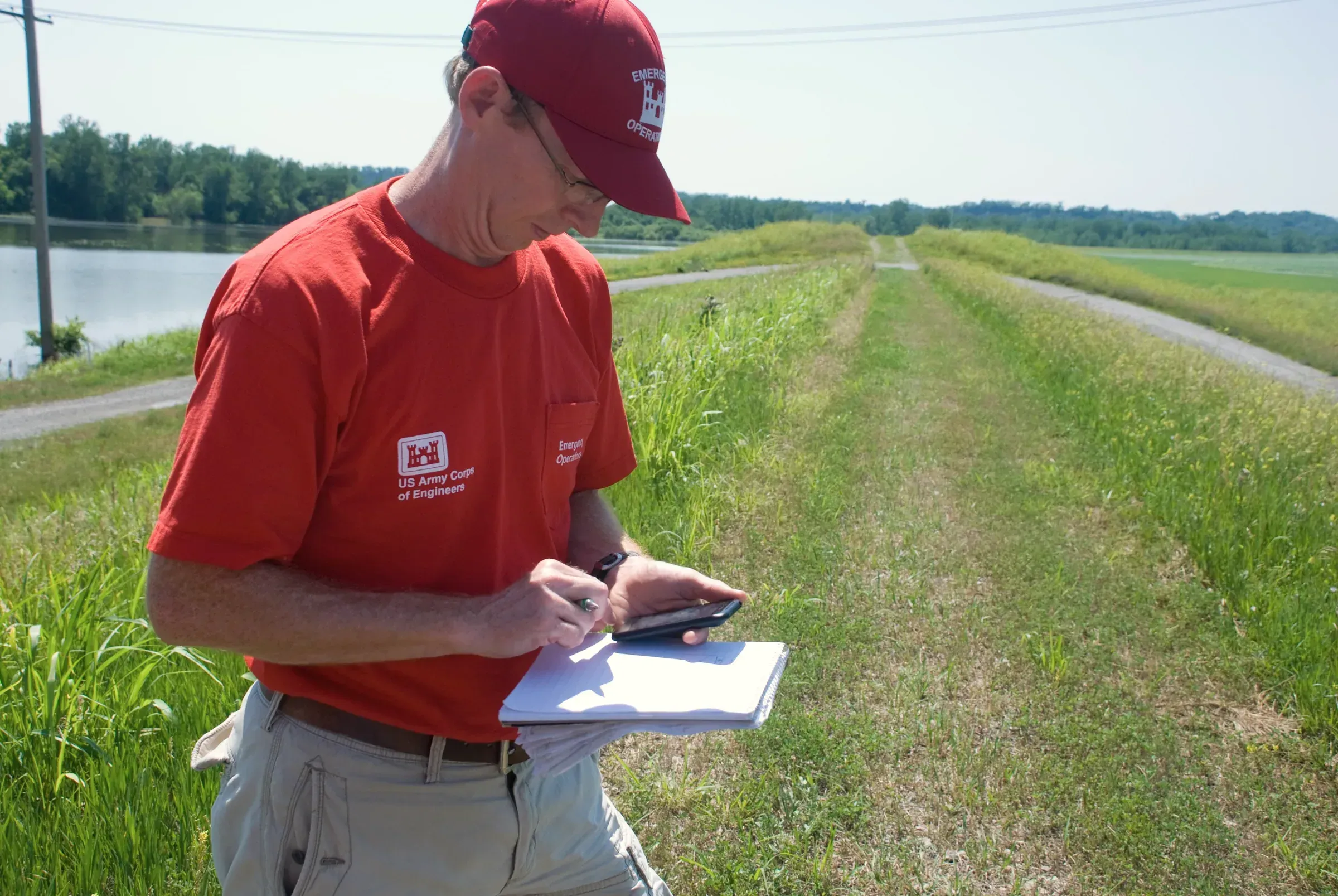
If you run an HVAC, cleaning, landscaping or pressure washing company, government is probably already buying what you sell, a few miles from your shop. Cities, counties, school districts, water districts, housing authorities and federal sites all have buildings to keep running, grounds to keep up and surfaces to keep clean. Most of that work goes out to local companies through public bids.
Here's what those contracts look like for each trade, what they usually ask for, and two real examples.
What agencies buy
HVAC. Preventive maintenance contracts for a set of buildings, with quarterly or monthly visits. Repair work on call, priced by the hour plus parts. Filter replacement programs. Replacement of rooftop units, boilers or chillers, which is usually bid as a construction project with bonds.
Janitorial and cleaning. Nightly cleaning of offices, libraries, police stations and community centers. Floor care like stripping and waxing. Window cleaning. Day porter services. Contracts are often grouped by building, so a small company can bid one or two buildings instead of the whole county.
Landscaping and grounds. Mowing of parks, medians, right-of-way and cemeteries. Tree trimming. Irrigation repair. Seasonal planting. Snow removal in the north. Mowing contracts are often split into routes or zones, and some agencies award several zones to different companies.
Pressure washing. Parking garages, sidewalks, plazas, bus shelters, dumpster pads, building exteriors and fountains. This is a common annual contract with work called in as needed.
Two real examples
The City of Springfield, Missouri bid out pressure washing for its two downtown parking garages in 2026. The contract is for one year with up to four one-year renewals. The work happens twice a year, in spring and fall, on Sundays when there are no events, and it covers stairwells, parking decks, stalls and walls up to four feet high. Bidders priced it per square foot (Springfield IFB 074-2026). The city answered bidders' questions in three addenda, including what time work could start on a Sunday.
Gwinnett County, Georgia bid an annual pressure washing contract the same year, split into three sections: pressure washing, clean and seal, and sculpture maintenance. Bidders could price one section or all three, and the county planned to award each section separately. Work is on call, and the county says the volume is not guaranteed. Prices were by area for cold water, hot water and soft washing, with separate lines for materials and equipment rental (Gwinnett County ITB BL070-26).
Two things stand out. Both are recurring contracts, so winning once can mean years of work. And both were priced per unit, which suits a company that knows its cost per square foot.
What these bids usually ask for
Requirements vary by agency, but most service bids ask for some of the following:
- A business license and, for HVAC, the state mechanical license
- Insurance certificates for general liability, auto and workers' compensation, at the limits the bid sets, often with the agency named as additional insured
- References from similar work, often three
- An equipment list, especially for grounds and pressure washing
- Unit prices on a bid form, and sometimes a total based on estimated quantities
- A bid bond on larger or construction-type work (see what a bid bond is)
- Background checks for staff working in schools or secure buildings
Read the insurance limits first. If your policy is below the required limit, call your agent before you spend time on the price.
Federal sites and prevailing wages
Military bases, VA hospitals, federal courthouses and national parks hire the same trades. Two federal wage laws are worth knowing before you bid there.
The Service Contract Act covers federal service contracts over $2,500, including janitorial and grounds work. You must pay at least the wages and fringe benefits in the wage determination attached to the contract (Department of Labor).
The Davis-Bacon Act covers federal and federally funded construction, alteration and repair contracts over $2,000, including painting. You must pay at least the local prevailing wage for each trade (Department of Labor).
Build those rates into your price. Many states have their own prevailing wage laws for state and local work too.
How to get the first one
Start with the agencies closest to you. Your city, your county, the school district and the nearest utility. Look on their websites for a Purchasing or Bids page.
Register as a vendor with each of them, in every category that fits your trade.
Look for annual and on-call contracts. They are smaller per visit, renew for years, and are a good way to show the agency what you can do.
Bid one building or one zone. If the bid is split into sections, price the ones you can staff well.
Ask for the bid results afterwards, whether you win or lose. They show you what the winner charged.
Our guide on how to bid on city and county contracts covers the steps from notice to award.
Seeing all of them
Bids like these are posted on dozens of separate websites, and the small agencies are easy to miss. Capveon checks every agency near you and emails you each morning with the bids that fit your trade, with the insurance limits, references and bond already pulled out. Enter your website and we'll send you the open bids for your business.