How to find bid results and bid tabulations, and use them to price the next job
Public bids are opened in public and the results are public records. Where agencies post bid tabs, how to ask for them, and what to look for once you have them.

Every sealed public bid is opened in public, and the prices are public record. That makes bid results one of the most useful things a contractor can collect. They show you who bids where, how far apart the prices are, and where your own number landed.
What a bid tabulation is
A bid tabulation, or bid tab, is the agency's list of every bid received on a solicitation, usually with each bidder's total and often the price for every line item. Some agencies post a simple list of apparent low bidders. Others post the full sheet.
The spread on a single job can be huge. Gwinnett County, Georgia's 2026 annual pressure washing contract had three sections, and Section A, the pressure washing itself, drew 29 bids. On the county's own tabulation they run from $149,840 to $3,099,035 (Gwinnett County bid results, BL070-26). Every bidder priced the same scope and the same estimated quantities, and the highest bid was more than 20 times the lowest. A spread like that tells you how differently companies read the same bid, and how much room there is to price well.
Where to find them
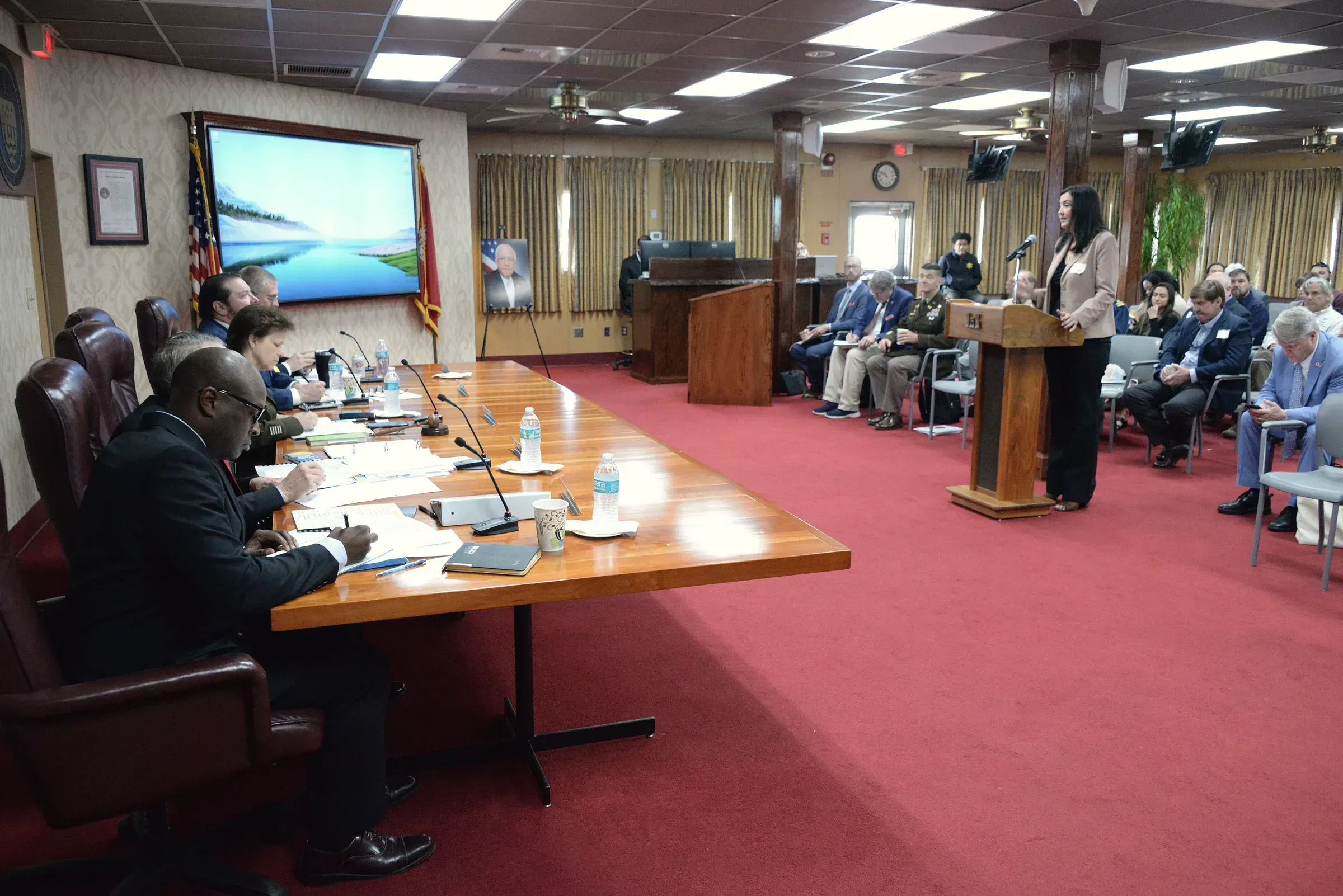
The bid opening. Most agencies read the prices aloud at the opening, in person or on a call. Gwinnett held this one virtually and said apparent results would be on its website the next business day (Gwinnett County ITB BL070-26). Attending is the quickest way to get the numbers.
The agency's bid page. Many agencies post the tab next to the original solicitation, or change the bid's status to awarded and name the winner. The City of Springfield, Missouri, for example, marks each finished bid as awarded and names the company that won it on the same page as the notice (Springfield bid postings).
Council and commission agendas. Larger contracts are approved by a vote. The agenda item usually includes a staff report with the bid tab attached and a recommendation. Search the agency's agenda archive for the bid number or project name.
The e-bidding portal. Where the agency took bids online, the results are often posted in the same place.
A public records request. If the agency hasn't posted the results, ask. Email the purchasing contact named in the bid and ask for the bid tabulation. If that doesn't work, file a records request under your state's open records law. Agencies generally can withhold some details until the award is made, so ask again after the contract is signed.
Federal awards. For federal contracts, award notices appear on SAM.gov, and the amount and winner of each award are searchable on USAspending.gov. Federal agencies don't usually publish every competitor's price.
Proposals are different
When an agency uses a request for proposals, it scores proposals on several factors and price is only one. Prices may not be read aloud, and the score sheets may only be released after award. If you lose an RFP, ask for a debrief or for the evaluation scores. Many agencies will walk you through how your proposal scored, and that is often more useful than the winner's price.
What to look for once you have them
Your rank and the gap. How far were you from the low bid, in dollars and in percent? Losing by 2% is a different problem than losing by 30%.
Line items. If the tab has unit prices, compare yours line by line. You may be competitive overall and far off on one item, like mobilization or materials markup.
Who bids where. After a few months you'll see which companies bid at which agencies. Some contractors stay in one county. Some bid everything. That tells you who you'll be up against on the next one.
How many bidders. A job with two bidders and a job with fifteen need different strategies. Small agencies with few bidders are often where a new company has the best chance.
The engineer's estimate. Construction bids often include the designer's estimate. Bids far below it may mean the estimate was high, or that someone missed something.
Rejected bids. Some tabs list the bids that were thrown out and why, which is a free lesson in what not to do.
Make it a habit
Keep a simple spreadsheet: agency, bid number, date, scope, number of bidders, low bid, your bid, winner. After a dozen bids you'll know your market better than any estimate can tell you.
The agencies you track for results are the same ones you need to watch for new bids. Capveon checks every agency in your area each day and sends you the bids that fit your work, so you know which openings to attend and which tabs to ask for. Enter your website to see the open bids for your business this week.