What is a bid bond? What it costs and how to get one
A bid bond promises you will sign the contract at the price you bid. How much agencies ask for, what it costs, how to get your first one and what to do if a surety says no.
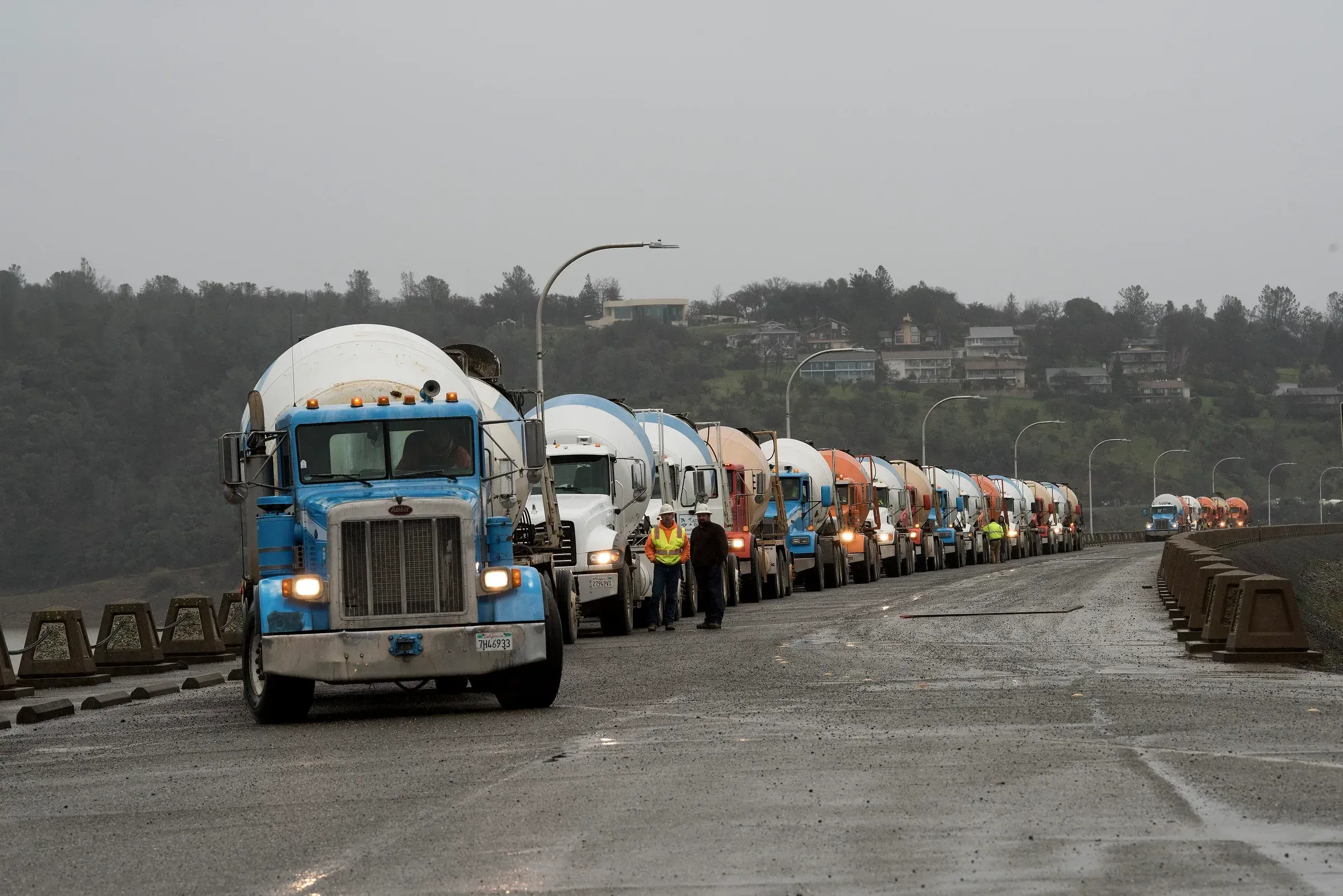
A bid bond is a promise, backed by a surety company, that if the agency picks your bid you'll sign the contract at the price you bid and provide the other bonds it asks for. If you win and walk away, the surety pays the agency for the trouble, up to the amount of the bond, and then comes to you to get the money back.
Agencies ask for bid bonds on construction and some service work because a low bid is only worth something if the bidder follows through. The bond weeds out companies that couldn't get bonded for the job.
The three parties
- You, the contractor, called the principal.
- The agency, called the obligee.
- The surety, an insurance company licensed to write bonds, which guarantees your promise.
A surety bond doesn't protect you the way insurance does. If the surety pays a claim, you owe it that money back, which is why sureties look closely at your finances before they bond you.
How much the agency asks for
The bid bond is set as a percentage of your bid price.
On federal construction, the bid guarantee must be at least 20% of the bid price, up to a cap of $3 million (FAR 28.101-2(b)).
Cities and counties set their own amounts, and 5% or 10% is common. The City of Lenexa, Kansas, for example, asks for a bid bond, cashier's check or certified check equal to 5% of the total bid (City of Lenexa). As in Lenexa, many agencies take a certified or cashier's check instead of a bond, but that ties up your cash until the contract is signed.
The bonds that come after
If you win, the bid bond is replaced by the bonds that cover the job itself:
- A performance bond guarantees you'll finish the work as the contract says.
- A payment bond guarantees you'll pay your subcontractors and suppliers.
On federal construction contracts over $150,000, the Miller Act requires both (40 U.S.C. 3131). Most states have similar laws for state and local work, often called Little Miller Acts, with their own thresholds. Lenexa asks the winning bidder for a performance bond, a maintenance bond and a statutory bond, each for 100% of the contract amount.
What it costs
Many sureties charge little or nothing for the bid bond itself when they expect to write the performance and payment bonds if you win. The real cost is the premium on those final bonds, which is a percentage of the contract amount. The rate depends on your credit, your financial statements, your experience and the size of the job, so ask a surety agent for a quote rather than relying on a number you read online.
If the SBA guarantees your bond (more on that below), there is no SBA fee on the bid bond. Performance and payment bond guarantees carry an SBA fee of 0.6% of the contract price (SBA).
How to get your first bid bond
Do this before you find the bid you want. Setting up a surety relationship can take a week or more.
1. Find a surety agent who writes contract bonds. Ask your insurance agent, other contractors or your local builders' association. Not every insurance agent writes surety.
2. Gather your paperwork. Expect to provide business and personal financial statements, tax returns, a list of jobs you have completed and jobs in progress, your bank reference and a résumé of your key people. Smaller bonds sometimes need little more than a credit check.
3. Get a bonding line. The surety sets how big a single job it will bond and how much work in total. Knowing your limit tells you which bids you can chase.
4. Request the bond for each bid. Send the agent the bid notice, the bond form if the agency has its own, the amount and the due date. Give them a few days.
If you can't get bonded
New companies and companies with thin financials often get turned down. The SBA's Surety Bond Guarantee program exists for exactly that. The SBA guarantees part of the surety's loss, which lets participating sureties bond small businesses they would otherwise decline. It covers bid, performance and payment bonds on contracts up to $9 million, or up to $14 million on federal contracts when the contracting officer certifies the guarantee is needed (13 CFR Part 115). The guarantee is 80% or 90% of the surety's loss, depending on the contract and the company (SBA).
Other routes while you build a record:
- Bid on work that doesn't need a bond. Many service contracts and smaller jobs don't.
- Work as a subcontractor on bonded jobs to build experience.
- Use a cashier's check for the bid deposit where the agency allows it, if you can afford to tie up the cash.
Read the bond requirement first
The bond is one of the first things to check in any bid package, because if you can't provide it, nothing else in the package matters. Look for the bid bond percentage, whether a check is allowed instead, and what bonds the winner must provide. Capveon pulls the bond requirements out of every bid it sends you, with the page they came from, so you can rule a bid in or out before you read the rest. See the bids near you, with the bond for each one.