
Margin expansion you can deploy across the portfolio.
Capveon connects the CRM, ERP and estimating systems each portfolio company already runs and does the manual work between them. Fewer hours on data entry, faster and better bids and quotes, and board numbers that come from the systems.
Excavator on a construction site under a storm sky. CC0, Luke Besley.
Each portfolio company is its own integration project.
Every infrastructure company you own runs a CRM, an ERP, an estimating or quoting tool, a lead service and a shared drive, and none of them agree. People who could be selling or building move information between them. The monthly pack is built from exports, and the pipeline number depends on who you ask.
The fixes are known: fewer bad pursuits, faster bids and quotes, less G&A on data entry, forecasts you can plan against. They rarely happen because no portfolio company has the team to build them, and a point solution bought for one never reaches the next.
What the first ninety days look like.
The first ninety days at one portfolio company.
Deployment plan, one portfolio company
A regional water and wastewater contractor.
- Week 1
- CRM, ERP, estimating, lead feed and shared drive connected read-only. Customers, projects and jobs reconciled.
- Week 2
- First workflow live: every lead qualified against bid and job history, routed in the CRM.
- Week 4
- Award-to-job, stage-to-forecast and customer-master writes live, behind approval.
- Week 8
- Precon briefs and bid review in use by estimating.
- Week 12
- Forecast and board pack produced from the systems. Next company scoped.
Measured throughout: hours returned per week, bid and quote turnaround, forecast accuracy against actuals.

Operational efficiency: the hours come back first.
Qualification, research, bid review, data entry between systems and monthly reporting are the work Capveon does. At most companies that is several people's weeks every month, returned to selling, estimating and running jobs.
- Hours returned per week, measured per company
- No new headcount at the company to run it
- A person approves every write
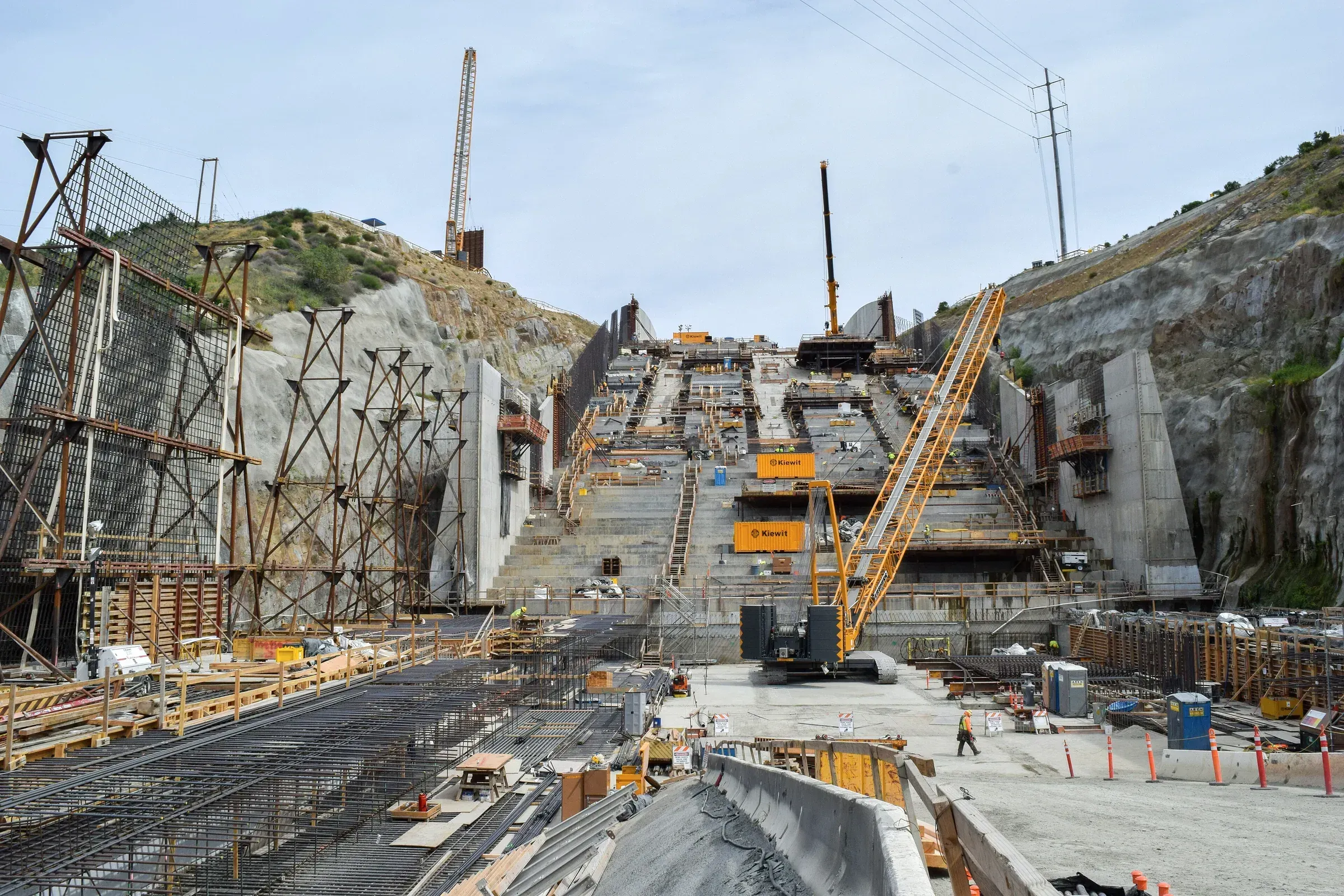
Margin expansion: better pursuits, faster bids and quotes.
Fewer bad pursuits, because every lead is scored against what the company has actually won and what it cost. Faster, better bids and quotes, because precon research and spec reading are done before the kickoff. Follow-ups that happen because the system noticed the quote went quiet.
- Bid or no-bid from the company's own history
- Precon research and spec reading done before estimating starts
- Quotes and accounts at risk surfaced first

Numbers you can plan against.
Pipeline, backlog, win probability and slip risk, predicted from each company's own history and delivered on the first of the month with the drivers behind each number. The same definitions at every company, so the portfolio can be compared and the board can trust it.
- Forecasts from the systems, not a spreadsheet
- Consistent definitions across companies
- Accuracy tracked against actuals

A playbook that gets faster each time.
The integrations and workflows already exist, so the second company takes less time than the first and the fifth is configuration. In diligence, the same approach reads a target's systems so you know what you are buying before you close.
- One vendor, one agreement, every company
- Days per company after the first
- A founder on the call, every time
Next to the alternatives
A data team at each company, or a point solution for each workflow. Both are slow at the first company and start over at the second.
| Question | A data team per company | Point solutions | Capveon |
|---|---|---|---|
| Time to first result | Quarters | Weeks | A working session, then days |
| Coverage | That company | That workflow | Every company, every workflow |
| Burden on the company | High | Medium | Read-only first. Writes wait for approval. No new headcount. |
| Portfolio view | None | None | Consistent definitions across companies |
| Cost structure | Headcount | Per seat, per tool | Scoped per company, under one agreement |
Questions investors ask
- What does it cost per portfolio company?
- An annual subscription scoped to the systems connected and the workflows deployed. Portfolio agreements cover several companies under one structure. We share pricing on the first call once we know the scope.
- Do the portfolio companies need a data team?
- No. The first version is built with the people who do the work, in a working session. Ongoing changes are configuration, made with us.
- How do you measure the return?
- Per company, from the systems: hours returned per week, bid and quote turnaround, pursuit hit rate, forecast accuracy against actuals. We agree the measures before the pilot and report them through it.
- Can you use this in diligence?
- Yes. With access, Capveon reads a target's systems and reconciles them the same way, so you see the real pipeline, backlog and customer concentration before close. Without access, the public footprint alone is still useful.
- How do you handle data between portfolio companies?
- Each company is its own tenant. Nothing from one company's systems is visible to another. Portfolio views are built from figures each company agrees to share, under the same definitions.

Pick one portfolio company. We will scope the first workflow before the call.
Tell us the company, the systems it runs and where the hours go. We come to the call with the first workflow scoped and the measures agreed.