State revolving funds: the funding signal most pursuit teams ignore
Explainer. July 29, 2026. 5 minute read.
Clean Water and Drinking Water SRF intended use plans list, by name, the projects a state expects to finance. They are published every year and read by almost no one in sales.
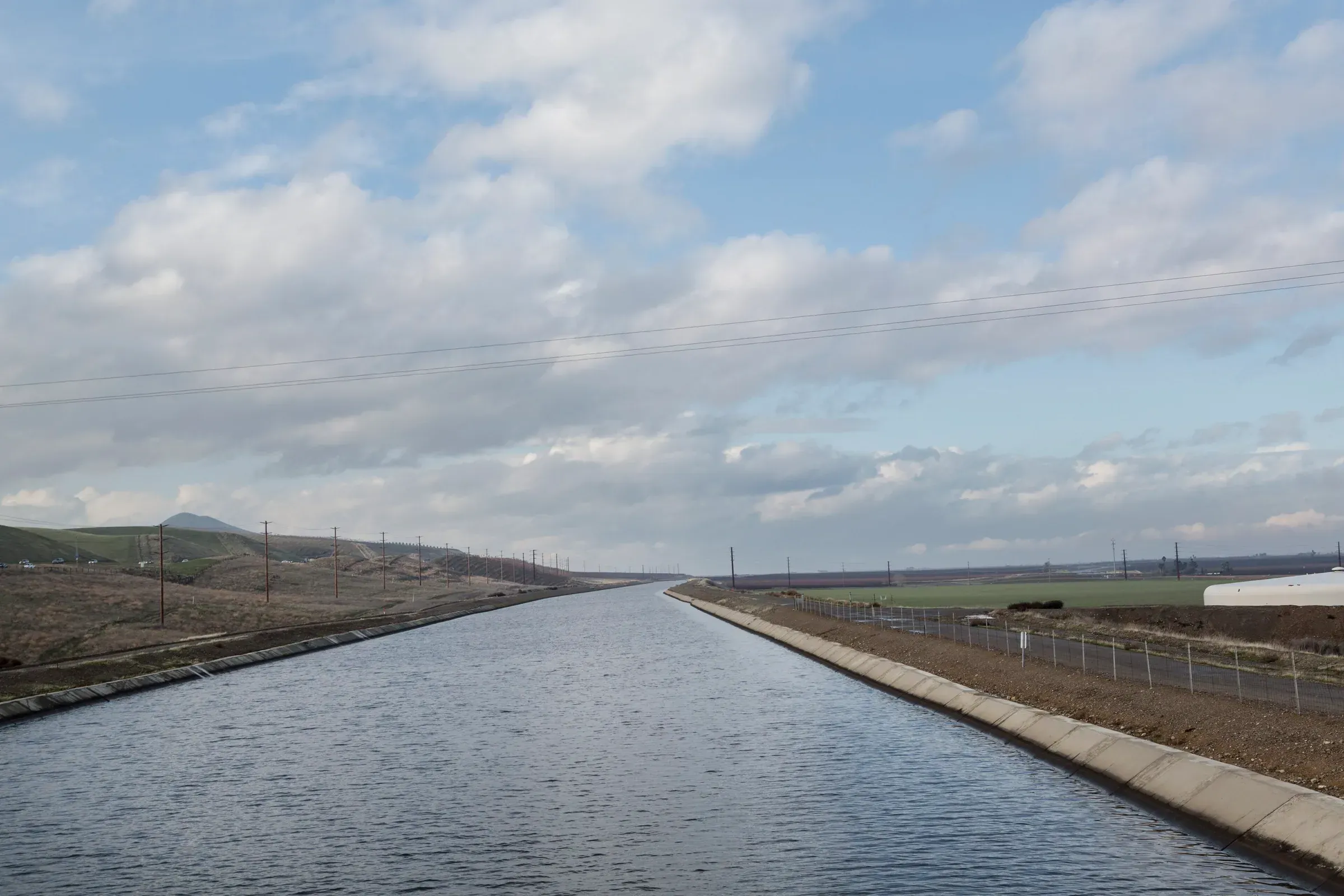
Each state administers a Clean Water State Revolving Fund and a Drinking Water State Revolving Fund, capitalized by federal grants and repayments, and lends the money to public owners for water and wastewater projects at below-market rates.
To do so, each state publishes an annual intended use plan: a ranked list of projects it expects to fund, with the borrower, the project description, the requested amount, and a priority score. It is, in effect, a state-level pipeline of funded water work, published in advance.
Why it matters
Funding is the step that converts a plan into a commitment. A project on an intended use plan has an owner who has applied, a scope that has been described, and a state that has ranked it. Design procurement typically follows within a year.
SRF-financed projects also carry federal requirements, including domestic-preference rules for iron, steel and manufactured goods. For manufacturers, knowing a project is SRF-funded changes the competitive field before the specification exists.
How to use it
Read your states' plans when they publish and when they are amended. Match borrower names to your account list. Note the requested amounts and the project descriptions, which often name the treatment process or the asset class. Then follow the project into the owner's CIP and agenda, where the design award will appear.
Capveon reads all fifty states' intended use plans as one of its public sources, so a funded project is one more fact attached to the owner and project records a customer already has.