How to sell to state and local government as a startup
How cities, counties, states and school districts buy software and services, the three ways a startup gets its first contract, and what to have ready for the security review.

State and local government is a large market made of many small ones. There are 50 states and, by the Census Bureau's count, more than 90,000 local governments, from big counties to two-person water districts (Census Bureau). Each has its own budget, its own rules and its own people. (Capveon's count of US agencies is higher, at more than 175,000, because it also takes in state and federal agencies and public bodies the Census doesn't treat as separate governments.) It feels slow at first. The companies that learn how it works tend to keep growing in it.
This guide is for founders selling software or services to cities, counties, states, school districts and utilities. It covers how they buy, the usual routes to a first contract, and what to have ready before the security questionnaire arrives.
How they decide to buy
A public purchase usually starts long before a bid. Someone on staff has a problem. They raise it with their manager, who puts money for it in next year's budget request. The council, board or legislature adopts the budget. Then purchasing helps them buy it, following rules about competition that depend on the size of the purchase.
Two things follow from that.
Timing follows the budget. Forty-six states start their fiscal year on July 1 (NASBO). Many cities, counties and school districts do too, although some use October 1 or the calendar year. Money for next year is requested months before the year starts. If you meet a buyer in March who loves your product, the purchase may not happen until the new fiscal year, unless they have money left in this one.
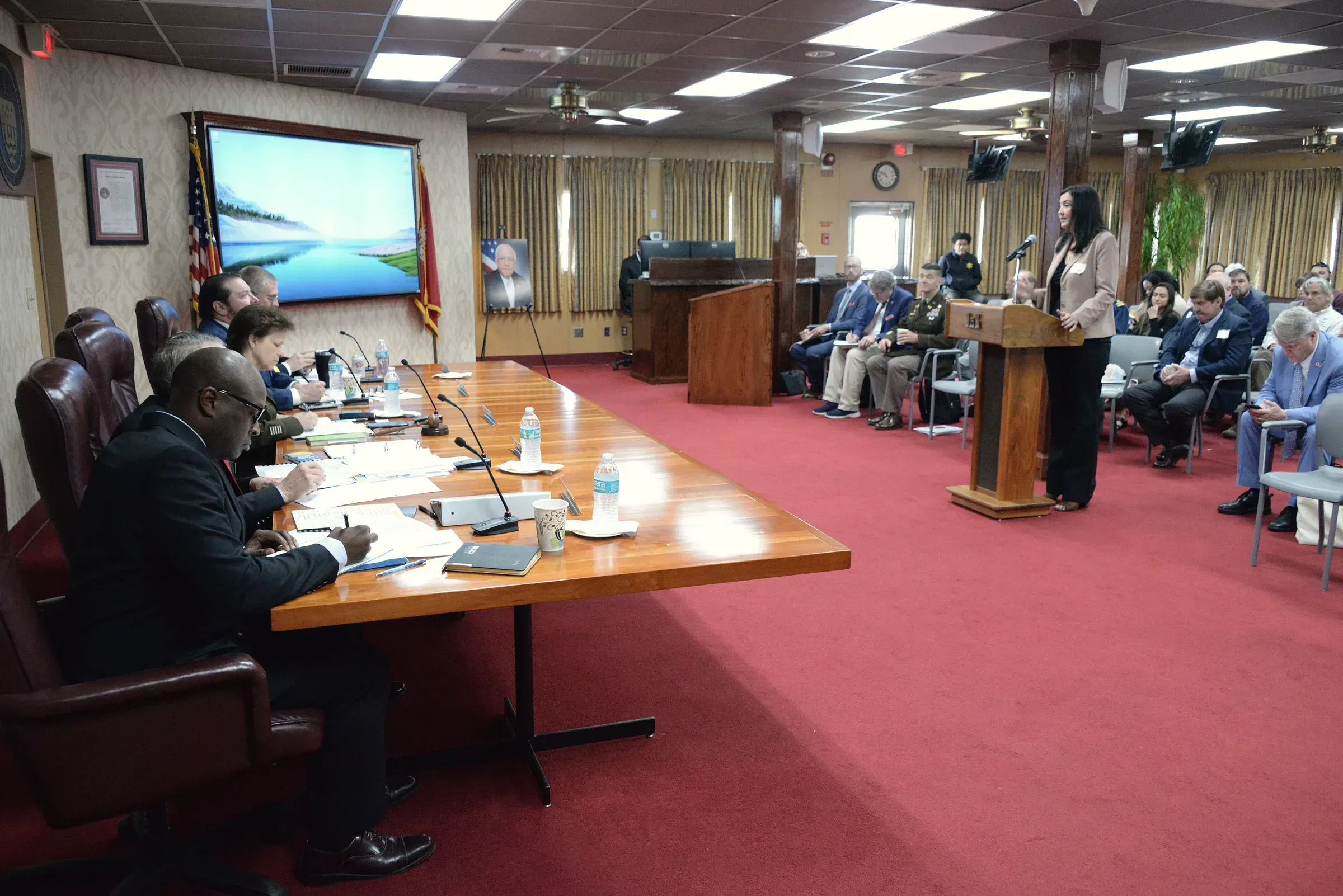
The record is public. Budgets, council and board agendas, meeting minutes and capital plans are posted online. If a city council talks about replacing its permitting system, it's in the minutes. If a school district budgets for a new safety platform, it's in the budget. Those are early signals, and they tell you who is about to buy before any bid is written. Our guide on hearing about work before the RFP covers where to look.
Three ways to a first contract
1. Stay under the formal bid limit. Every agency has a dollar amount below which staff can buy with a few quotes or a single purchase order. The limits vary widely by state and agency. A paid pilot priced under that limit can often be signed in weeks instead of months. Ask the buyer what their limit is. They'll usually tell you.
2. Sell through a contract that already exists. Agencies can often buy from a contract another public body already competed, such as a cooperative purchasing contract or a state contract, without running their own bid. If you can get onto one, or sell through a reseller who is on one, the agency skips the RFP. Our guide to cooperative purchasing contracts explains how they work.
3. Answer an RFP. Larger purchases go out as a request for proposals. A committee scores the responses on stated criteria. If you had no contact with the agency before the RFP posted, your odds are lower, because the people who shaped the requirements usually talked to vendors first. If you did, the RFP may read as if it were written with your product in mind, which is the best argument for watching early signals.
Talking to buyers
You can talk to agency staff before a solicitation is posted. Ask about the problem, the current system, the budget cycle and how they usually buy. Once an RFP is out, most agencies restrict contact to the named procurement officer until the award, and breaking that rule can disqualify you. Read the communication section of every solicitation.
Security reviews
Expect a security questionnaire for any software that touches agency data. What it asks depends on the buyer:
- Many state agencies ask for GovRAMP verification, a program for cloud providers selling to state and local government. It was called StateRAMP until 2025 (GovRAMP).
- Federal buyers of cloud services generally require FedRAMP authorization.
- Police and justice agencies need vendors handling criminal justice information to meet the FBI's CJIS Security Policy.
- Smaller cities, counties and districts usually send their own questionnaire and ask about single sign-on, data location, encryption, backups and your audit status.
Write your answers once, keep them current, and send them before anyone asks.
What to have ready
- A one-page summary written for a public buyer: the problem, the price and what it replaces
- A price list that doesn't change by customer, because public buyers compare prices
- Your W-9, certificate of insurance and a standard contract
- Answers to a basic security questionnaire
- A list of public customers or pilots you can name, as soon as you have them
Where to spend the first six months
Pick a narrow lane: one type of agency, in a few states, with one problem you solve well. Learn its budget cycle and who signs. Watch its meetings and budgets for the signals that say a purchase is coming. Win a few small contracts, then use them as references for the bigger ones.
Finding those agencies is the part Capveon does. It reads meeting minutes, budgets and capital plans for agencies across the US and Canada and shows you which ones are about to buy what you build, with the document behind each one. Enter your website and see the agencies already planning what you build, free.