
Every page read, for what matters to you.
Capveon reads every page of the specs, drawings and addenda on public projects and tells you what the job needs, where your product or crew fits, and what stands in the way.
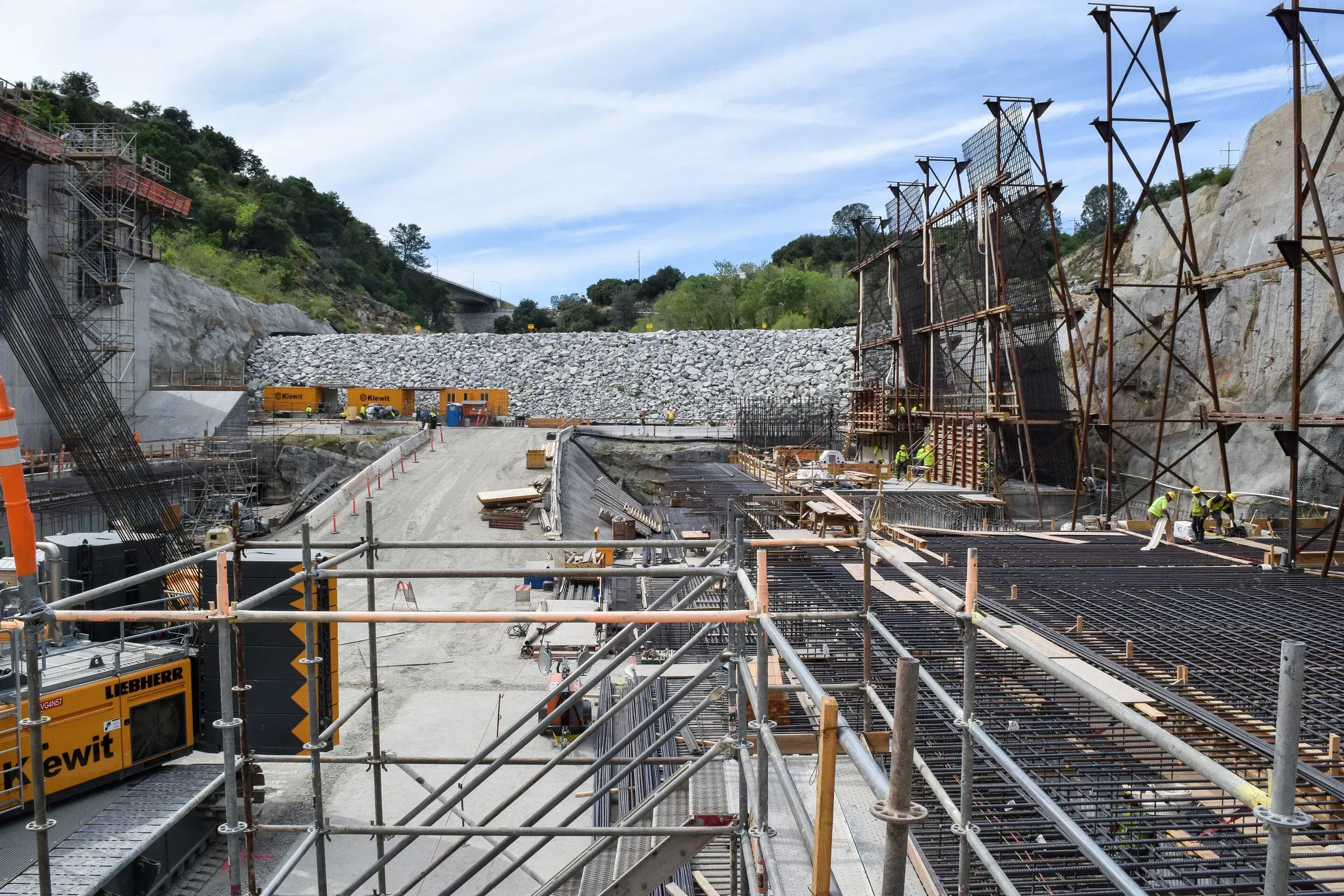
Water treatment plant on the bay shore, Redwood City, California. CC0, Alfred Twu.
Thousands of pages, and the answer is on one of them.
A spec book runs to a thousand pages before the drawings. Whether the job is yours comes down to a few lines: the product it names, the requirement you cannot meet, the addendum that changed it. Finding them is someone’s whole day.
How it runs
A person on your team approves before anything is written to a system you run.
- Read
Every page of the specs, drawings and addenda, scanned pages included.
- Match
Against what you make or build, not just your name, so a section that describes your product without naming it is found.
- Flag
What’s yours, what names someone else, what is still open, and anything that stands in the way.
- Cite
Every answer with the page it came from, so checking takes seconds.
What goes in
- Specs, drawings and addenda
- Your catalog, or the work you do
- Your territory
What comes out
- What’s yours, with the page
- What names someone else
- What is still open
- Anything that rules you out, explained
What it produces
Every field links to where it came from.
Section 33 05 23, ductile iron pipe lining
County transmission main, documents out.
- Status
- A competitor is named, and an equal is allowed
- Your product
- Meets all six requirements in 2.02.B
- Change
- Addendum 2 changed the test method. You still meet it.
- Window
- Requests to substitute are due in three weeks
Worth a note to the engineer, with the page attached.
Works with what you already run
- Dodge
- ConstructConnect
- Salesforce
- HubSpot
- SharePoint
- Google Drive
Questions
- How do you find our product in a spec that doesn’t name us?
- By reading what the spec asks for against what you make: materials, ratings, standards, test methods. Each match shows what fit and what did not, so your team can judge it in seconds.
- Where do the documents come from?
- The public record, the lead services you already use, and anything you send us.
- How accurate is it?
- Every answer links to its page, so it is quick to check. When it is not sure, it says so instead of guessing.
Usually next
Bring the work you’re looking at.
Thirty minutes on your own projects. We go through what each one is, whether it’s yours, and what to do next.